Top Signs Your Home Needs New Siding Before Winter in Ohio
Top Signs Your Home Needs New Siding Before Winter in Ohio
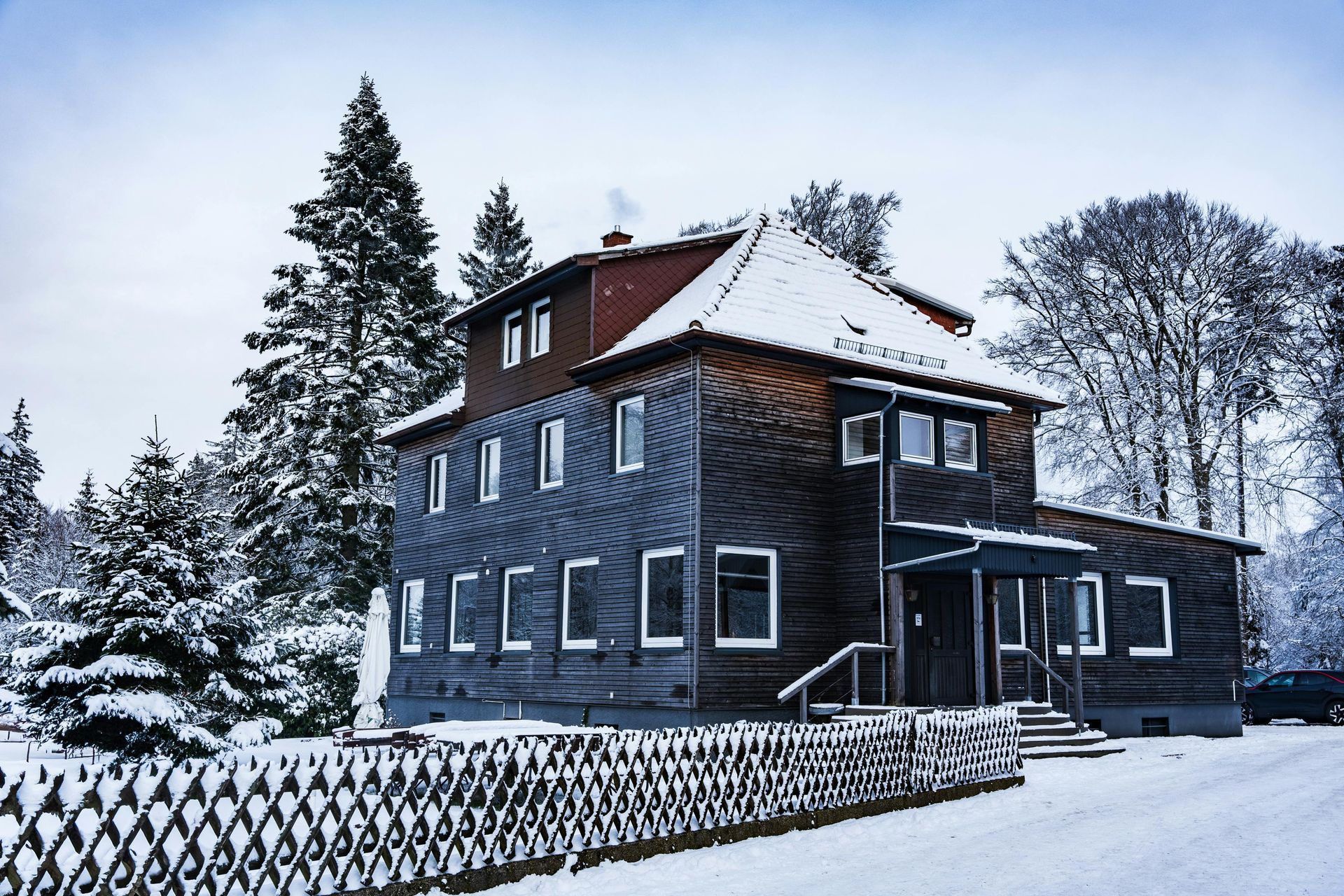
As the crisp air of fall begins to settle in and winter approaches, homeowners in Ohio should be taking steps to prepare their homes for the cold months ahead. One of the most important areas to inspect is your siding. Siding acts as the first line of defense against the elements, and damaged or aging siding can cause problems as temperatures drop.
At Hall and Sons Construction, we understand the significance of timely siding repairs and replacements. In this post, we’ll walk you through the top signs your home needs new siding before winter arrives in Ohio.
1. Visible Cracks, Gaps, or Holes in the Siding:
Cracks and holes in your siding may seem like small issues, but they can lead to significant damage over time. These gaps allow cold air, moisture, and pests to enter your home, leading to higher energy bills and potential water damage. Winter can exacerbate these problems as frozen water may cause the cracks to expand, worsening the condition of your siding. If you notice any visible cracks, holes, or gaps in your siding, it's a clear sign that it's time for a replacement.
2. Fading, Discoloration, or Stains:
Over time, exposure to the elements, particularly Ohio’s harsh weather conditions, can cause your siding to fade or develop discoloration. While this might not affect the structural integrity of your siding, it is an indication of aging materials. Additionally, stains or mildew buildup can develop on older siding, leading to potential moisture damage. If your siding’s color is dull or patchy, replacing it before winter can restore your home’s curb appeal and prevent further issues.
3. Moisture Damage or Rotting:
Moisture damage is one of the most common signs that your siding needs replacing. If you notice damp spots, mold, or rot on your siding, it’s a sign that water has infiltrated the material. This can be especially problematic in the winter, as water trapped inside the siding can freeze, causing it to expand and worsen the damage. Wood and fiber cement siding are particularly susceptible to rot, while vinyl and metal may still suffer from water infiltration at the seams. Replacing rotting or moisture-damaged siding is essential for protecting your home from further water damage.
4. Warping, Buckling, or Bubbles:
Warped, buckled, or bubbled siding is another clear sign that your siding is no longer performing well. When siding material absorbs moisture, it can warp, buckle, or develop bubbles due to trapped water. This damage can be exacerbated in the winter, as freezing temperatures can cause the material to contract and expand, worsening the condition. If your siding is warping or bubbling, it's a sure indication that it's time to replace it before winter’s freezing temperatures make the damage worse.
5. Increased Energy Bills:
If you’ve noticed a spike in your energy bills during the colder months, your siding may be to blame. Siding plays a crucial role in insulating your home, keeping the warm air inside and the cold air out. Damaged or old siding can lose its insulating properties, forcing your heating system to work harder. This can lead to an increase in your energy bills as you try to maintain a comfortable indoor temperature. Replacing old or damaged siding can improve your home’s energy efficiency, ultimately saving you money in the long run.
6. Pest Infestations:
Cracks and gaps in your siding provide easy access for pests like insects, rodents, and termites. If you’ve noticed an increase in pest activity around your home, it could be because your siding has been compromised. Insects and rodents can infiltrate your home through these entry points, potentially causing further damage to your property. Replacing your siding before winter sets in will help eliminate these vulnerabilities and protect your home from unwanted pests.
7. High Maintenance or Frequent Repairs:
If you're constantly having to repaint, caulk, or repair your siding, it may be time to replace it entirely. Old siding materials, especially wood and metal, require ongoing maintenance to stay in good condition. If your current siding is constantly needing attention, it might be more cost-effective in the long run to replace it with low-maintenance materials like vinyl or fiber cement, which require far less upkeep.
8. Visible Signs of Rust or Corrosion:
Rust and corrosion are common problems with metal and aluminum siding, especially in areas with high humidity or frequent rainfall, like Ohio. If you notice rust spots or corroded areas on your siding, it’s a sign that the material is deteriorating. Rust not only affects the appearance of your home but can also compromise the structural integrity of your siding. Replacing rusted or corroded siding is essential to prevent further damage.
9. Cracking Paint or Peeling Layers:
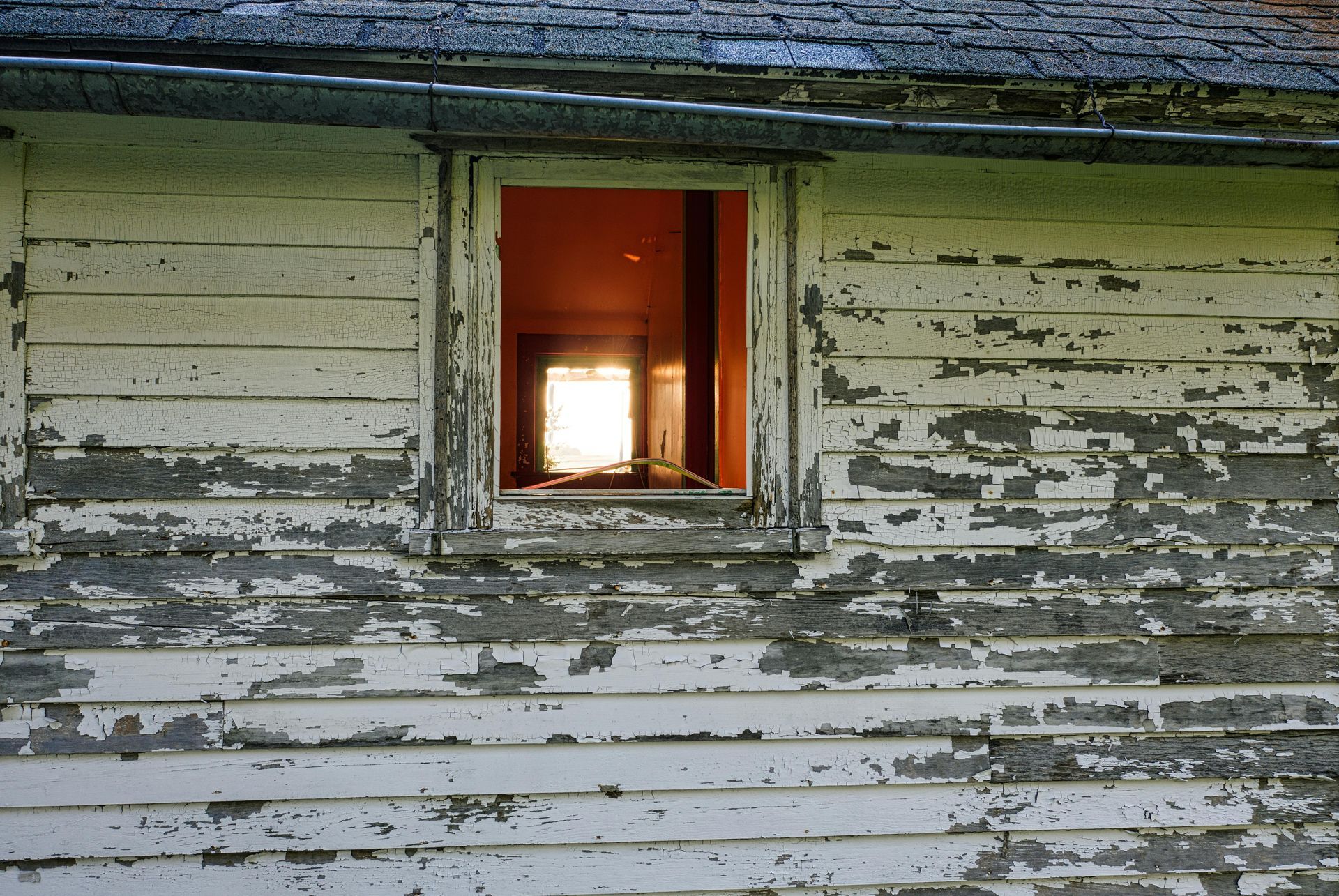
Cracked paint or peeling layers are often found on older wood or metal siding. While a fresh coat of paint can temporarily improve the appearance, it’s not a permanent solution to the underlying problem. The paint is peeling because the siding has been exposed to the elements for too long, and the material may be starting to degrade. If your siding is peeling or cracking, it’s likely time for a full replacement before winter arrives.
10. Age of the Siding:
The age of your siding is another important factor to consider. Most siding materials, such as vinyl, wood, and fiber cement, have a lifespan of 20-40 years, depending on the material and maintenance. If your siding is approaching the end of its expected lifespan or is already over 20 years old, it’s a good idea to have it inspected and consider replacing it before the harsh winter weather accelerates the deterioration.
Your home’s siding plays a critical role in maintaining its energy efficiency, protecting against the elements, and enhancing curb appeal. If you notice any of the signs mentioned above, it’s time to replace your siding before winter weather makes matters worse. At
Hall and Sons Construction, we specialize in siding replacements and can help you choose the best siding material to meet your needs and budget. Don’t wait for the damage to worsen contact us today for a free consultation and ensure your home is ready for the winter season.